A size label is a useful starting point, but it cannot tell you everything about how a garment will fit. The cut, fabric, stretch and intended shape all matter. Garment measurements give you another layer of information—and the most useful comparison is often a piece already hanging in your wardrobe.
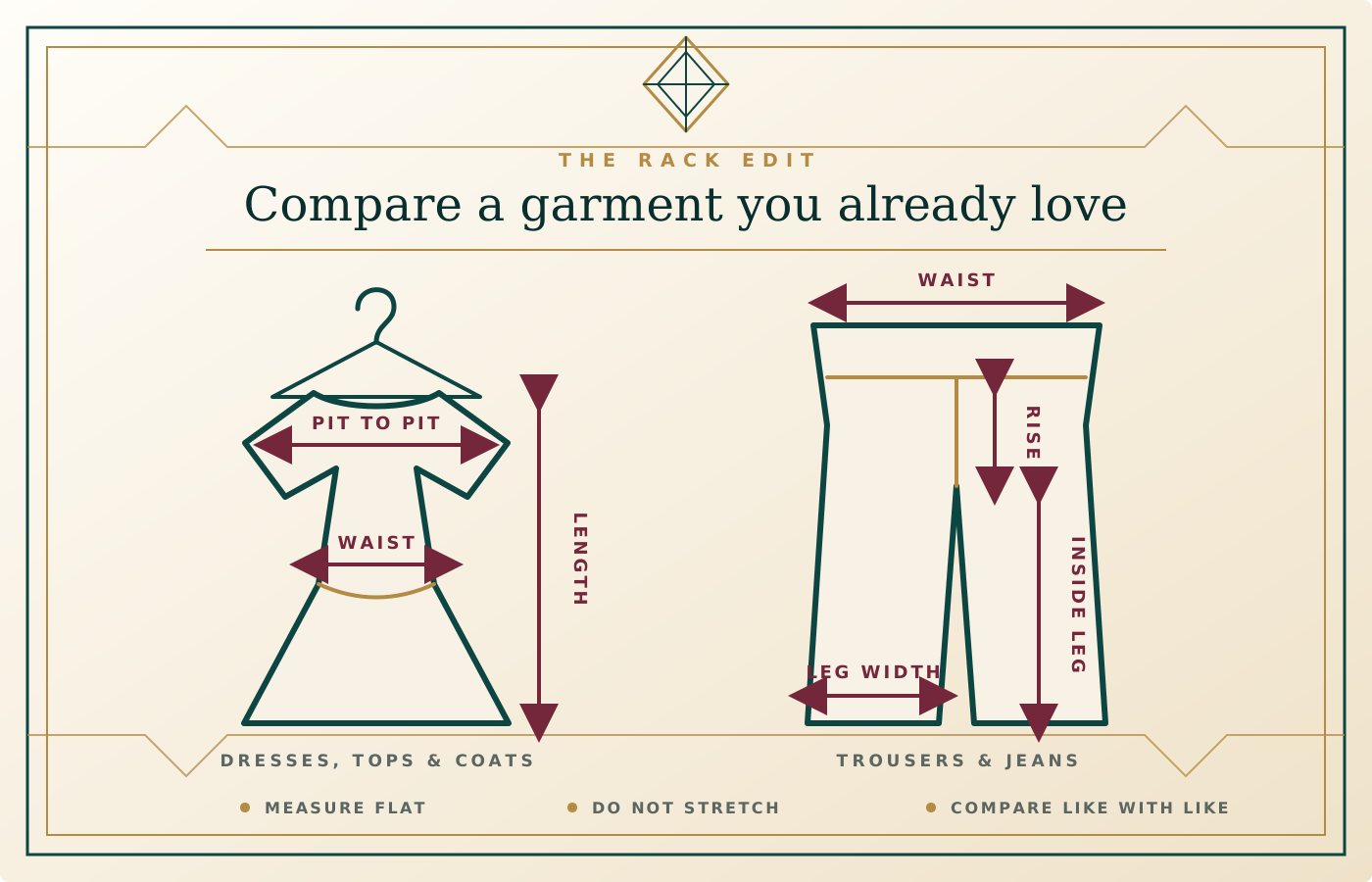
01
Why garment measurements are so useful
Two garments carrying the same labelled size can fit very differently. One may be designed to skim the body, another to sit loosely, and another may rely on stretch. Brand sizing can also vary, particularly when you are comparing pieces made in different years or for different markets.
A listing measurement describes the physical garment in front of us. That makes it especially helpful when you compare it with a similar item that already fits you well. It does not remove every uncertainty—fit will always be personal—but it can make the decision much better informed.
02
Start with a garment you already love
Choose something from your wardrobe that is similar to the item you are considering. Compare a dress with a dress, a coat with a coat, and trousers with trousers. The closer the shape and fabric are, the more meaningful the comparison will be.
- Fasten it first. Close buttons, zips and hooks so the garment sits as it would when worn.
- Lay it on a flat surface. A table, bed or clean floor works well.
- Smooth it gently. Remove obvious folds, but do not pull or stretch the fabric.
- Use a flexible tape measure. Keep the tape straight and level.
- Measure in the same way as the listing. A flat measurement should be compared with another flat measurement.
The golden rule: compare the listing with a garment that fits the way you want the new piece to fit—not only with your body measurement.
03
How to read the most common measurements
Pit to pit
This is measured straight across the front of a garment from one underarm seam to the other while it lies flat. It is commonly used for tops, dresses, jackets and coats. Doubling the flat pit-to-pit measurement gives an approximate full chest circumference, although the garment's shape and construction still affect the fit.
Length
Length is usually measured from the highest point of the shoulder, close to the neckline, down to the hem. On some garments a listing may use a different starting point, so read the wording carefully. Length is particularly useful when you are tall, petite, or looking for a specific midi, maxi or tunic length.
Waist
For trousers and skirts, the waist is normally measured straight across the waistband while the garment is fastened and lying flat. For dresses, it may be measured across the narrowest or intended waist point. Doubling a flat waist measurement gives an approximate circumference.
Rise
The rise is the distance from the crotch seam to the top of the waistband. A longer rise usually sits higher on the body; a shorter rise sits lower. Compare this with a pair of trousers whose waistband position you already find comfortable.
Inside leg
The inside leg is measured from the crotch seam down the inside seam to the hem. This is one of the most useful measurements for judging trouser length, particularly when the labelled length is not shown or different brands use different short, regular and long definitions.
Leg width
Leg width is measured straight across the leg opening. It helps you distinguish between a narrow, straight, wide or flared finish. Always check where the listing says the width was taken—for example, at the hem or higher up the leg.
Sleeve length
Sleeves may be measured from the shoulder seam to the cuff or from the underarm to the cuff. These methods produce different numbers, so compare using the same starting point and check the listing description.
04
Compare like with like
A woven cotton dress and a stretch jersey dress may have similar measurements but feel very different when worn. The same is true of a tailored coat and a relaxed cardigan. Before deciding, consider:
- whether the fabric stretches;
- whether the garment is lined;
- whether the style is fitted, straight, oversized or flowing;
- where seams, darts or elastic are positioned; and
- how you personally prefer the garment to sit.
Do not assume that an exact match to your body measurement is the ideal garment measurement. Most clothing needs some room for movement, while stretch garments may sit closer. The amount of room you prefer is personal, so your favourite garment remains the best reference.
05
Use body and garment measurements together
Our women's size guide provides standard body measurements across the size range. Individual listing measurements describe the actual garment. These are related, but they are not the same thing.
Use the size guide to understand the general size range, then use the listing measurements to compare the specific piece with something you own. Looking at both gives you a clearer picture than relying on the label alone.
06
Allow a small margin
Garments are measured by hand, so a small difference is possible depending on exactly where the tape is placed and how the fabric settles. Treat measurements as a practical guide rather than a promise of exact fit. If one particular measurement is essential to you, ask before purchasing and we will help wherever we can.
QUICK CHECKLIST
Before you buy
- Choose a similar garment that already fits well.
- Fasten it and lay it flat without stretching.
- Measure from the same points used in the listing.
- Check fabric composition, stretch and intended shape.
- Use our body size guide and garment measurements together.
- Allow for a small hand-measurement difference.